When you envision a classic morning of waterfowl hunting, what comes to mind? For some, it is the sound of water lapping against the side of a wooden blind as a flock of ducks works a decoy spread. For others, it is laying low in a layout blind amidst a harvested cornfield, waiting for hundreds of geese to descend from the clouds.
At Mattamuskeet Goose Club, we are incredibly blessed to have access to both rich agricultural lands and pristine wetland impoundments. However, knowing which environment to choose on any given morning is a common question among our guests. To help you prepare for your next trip to Eastern North Carolina, we’ve put together this warm and informative Q&A on the great debate: field vs. water hunting.
Q: What is the main difference between field and water hunting?
A: The primary difference comes down to targeting birds where they feed versus where they rest and socialize.
Waterfowl have daily routines, much like we do. Shallow lakes, flooded timber, and coastal marshes are typically where ducks and geese go to roost at night, drink, and socialize during the day. Conversely, surrounding agricultural fields—often loaded with leftover corn, soybeans, and winter wheat—are their dining rooms. Understanding waterfowl habitats and feeding behaviors is the first step in predicting where the birds will want to be at any given hour.
Q: When is water hunting the best strategy at Lake Mattamuskeet?
A: Water hunting is typically best during early mornings and when you are primarily targeting puddle ducks.
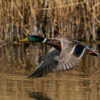
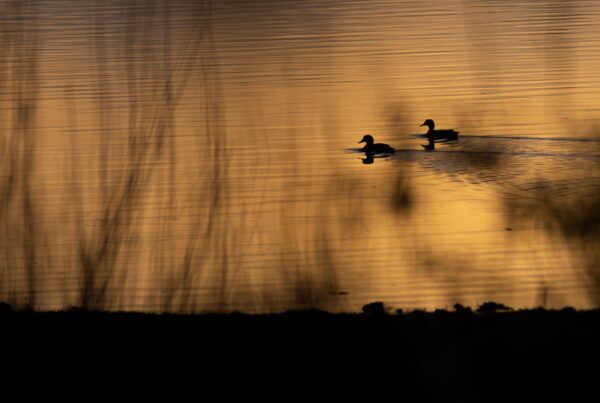
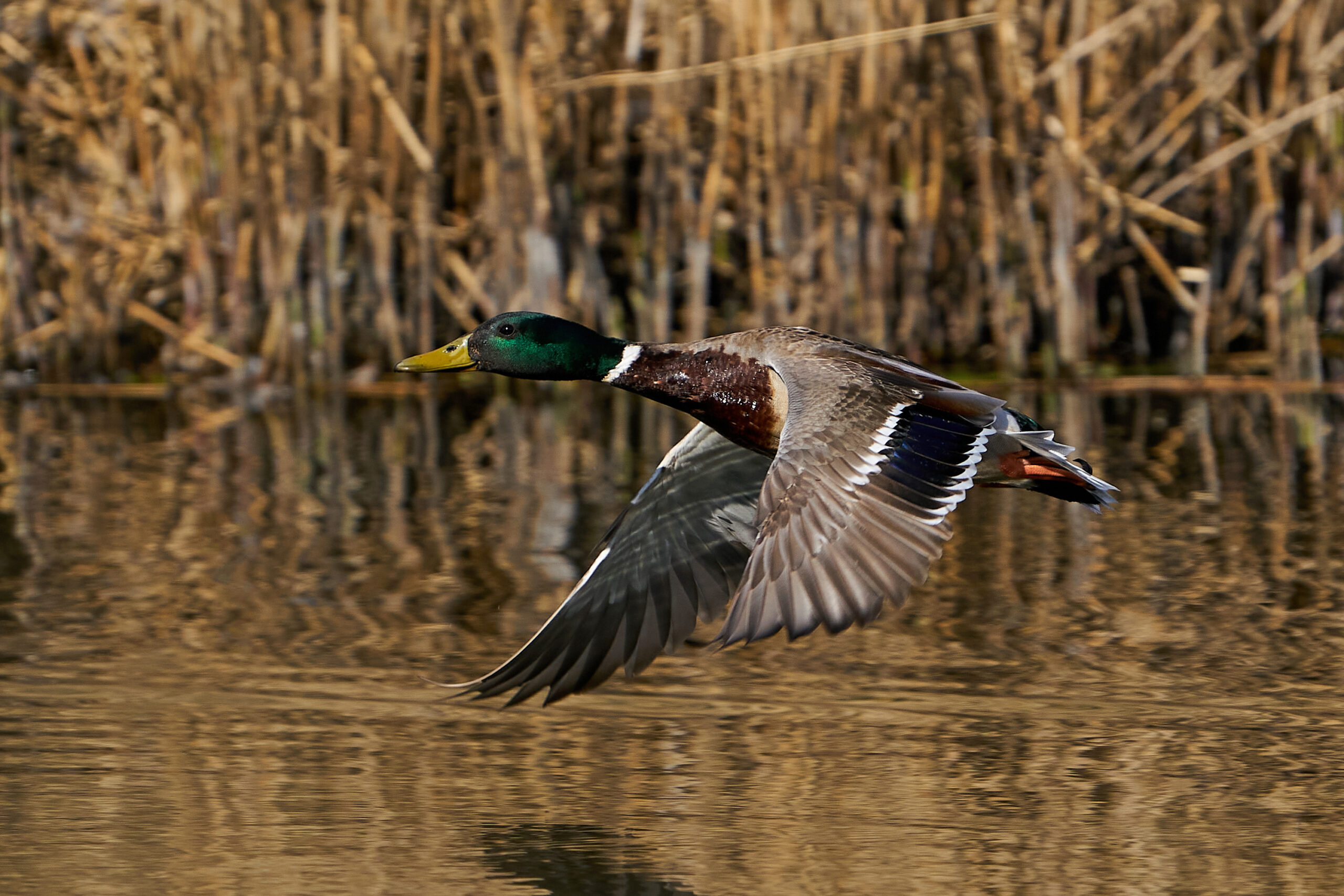
Lake Mattamuskeet is famous for its incredible populations of pintails, wigeon, teal, and mallards. These ducks often spend their mornings moving between different bodies of water to socialize and look for aquatic vegetation. Hunting from a traditional water blind over a well-placed decoy spread is a time-honored Southern tradition. It is highly effective in the early hours of the day when birds are leaving their nighttime roosts and looking for a safe, comfortable place to land.
Q: When does field hunting become the better option?
A: Field hunting shines when targeting large flocks of geese and swans, or during late-season cold snaps.
While ducks love the water, geese and tundra swans are notorious for swarming dry agricultural fields to gorge on high-carbohydrate agricultural food sources. When the temperatures plummet in late December and January, waterfowl burn a tremendous amount of energy simply trying to stay warm. To survive, they flock to harvested crop fields to feed heavily. If you want to experience the awe-inspiring sight of a massive flock of Canada or snow geese finishing right in your face, a dry field setup is often the ultimate strategy.
Q: How does the weather dictate which strategy to use?
A: Weather is the ultimate deciding factor; freezing temperatures or high winds completely change bird flight patterns.
Mother Nature always has the final say. If a severe cold front pushes through and freezes the shallow impoundments, the birds will immediately head to the dry fields to feed. On the other hand, if a strong gale-force wind makes the open lake too rough, ducks will seek the sheltered, calmer waters of protected marshlands.
Q: Can I experience both strategies on my trip?
A: Absolutely! The most successful hunters remain adaptable and let the birds dictate the day’s setup.
At the end of the day, there is no single “best” strategy—there is only the right strategy for that specific morning. That is the beauty of booking guided waterfowl hunts with experienced professionals. Our guides spend countless hours scouting both the fields and the water to see exactly what the birds are doing. We adapt our daily game plan to ensure you are in the best possible position to succeed.
Whether you prefer the splash of a retriever hitting the water or the thrill of hiding in a decoy spread in a cut cornfield, the Mattamuskeet Goose Club has a blind waiting for you. Contact us today to book your adventure and experience the very best of Eastern North Carolina waterfowl hunting!