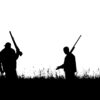

There is a moment that happens just before legal shooting light that defies description. The marsh is waking up. The frost is heavy on the decoys, the coffee in the thermos is the only source of warmth, and the distant, haunting cry of a Tundra Swan echoes across the water.
At Mattamuskeet Goose Club, we are in the business of harvesting birds, but we know the sport means much more than filling a limit. It is about the sights, the sounds, and the heritage of Hyde County. To help explain the deep pull of this sport to newcomers—and remind seasoned veterans why they wake up at 4:00 AM—we’ve broken down the experience of the hunt.
Q: Why is Lake Mattamuskeet considered a bucket-list destination for hunters?
A: It is the history and the sheer volume of wintering waterfowl.
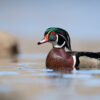
Lake Mattamuskeet is not just a body of water; it is the heart of the Atlantic Flyway. The lake creates a unique ecosystem that supports thousands of Tundra Swans, Canada Geese, Pintails, and Mallards every winter.
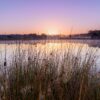
When you watch the sunrise here, you are looking at the same horizon that generations of watermen have watched before you. The visual spectacle of thousands of birds lifting off the water against a purple and orange sky is something you have to see to believe. For more information on the ecology of this incredible region, the U.S. Fish & Wildlife Serviceoffers a deep dive into the refuge’s history and importance.
Q: Is the hunt really about the harvest, or is it about the connection?
A: The harvest is the goal, but the connection is the prize.
If hunting were solely about shooting birds, you could do it anywhere. We hunt at Mattamuskeet because it reconnects us to the natural world. In modern life, we are often disconnected from the source of our food and the rhythms of nature. Sitting in a blind forces you to slow down. You have to read the wind, watch the weather, and listen to the environment.
Furthermore, the camaraderie built in the blind is unmatched. Whether you are on one of our guided waterfowl huntswith old friends or introducing your children to the sport, the conversations shared between volleys of gunfire create bonds that last a lifetime.
Q: How does hunting contribute to conservation in North Carolina?
A: Hunters are the original conservationists.
This is a common question from those outside the sport. It is important to understand that ethical hunting is vital for population management and habitat preservation. The revenue generated from hunting licenses and stamps goes directly back into preserving these wetlands.
Organizations like Ducks Unlimited have shown that hunter-funded conservation efforts restore millions of acres of wetlands, benefiting not just waterfowl, but hundreds of other species. When you hunt with us, you are participating in a cycle that ensures these birds return to Hyde County year after year.
Q: What makes the “Golden Hour” at sunrise so crucial for success?
A: It is when the world is most active.
Biologically, waterfowl are most active at dawn as they move from roosting areas to feeding grounds. Strategically, the low light helps hide the hunters and makes the decoys look more realistic.
But emotionally? The “Golden Hour” is why we do it. It is that split second where the adrenaline peaks—the wings cup, the wind whistles, and everything comes together. It is the anticipation of the unknown. You never know exactly what the sunrise will bring, but you know you want to be there to witness it.
Q: How can I experience this heritage firsthand?
A: You simply need to book a trip to Hyde County.
Reading about the sunrise is one thing; feeling the cold air on your face and hearing the roar of wings is another. Whether you are looking to bag a trophy Tundra Swan or enjoy a classic goose hunt, our team handles the logistics so you can focus on the experience.
We invite you to join us this season. Contact us today to reserve your spot in the blind. Come for the birds, but stay for the sunrise.