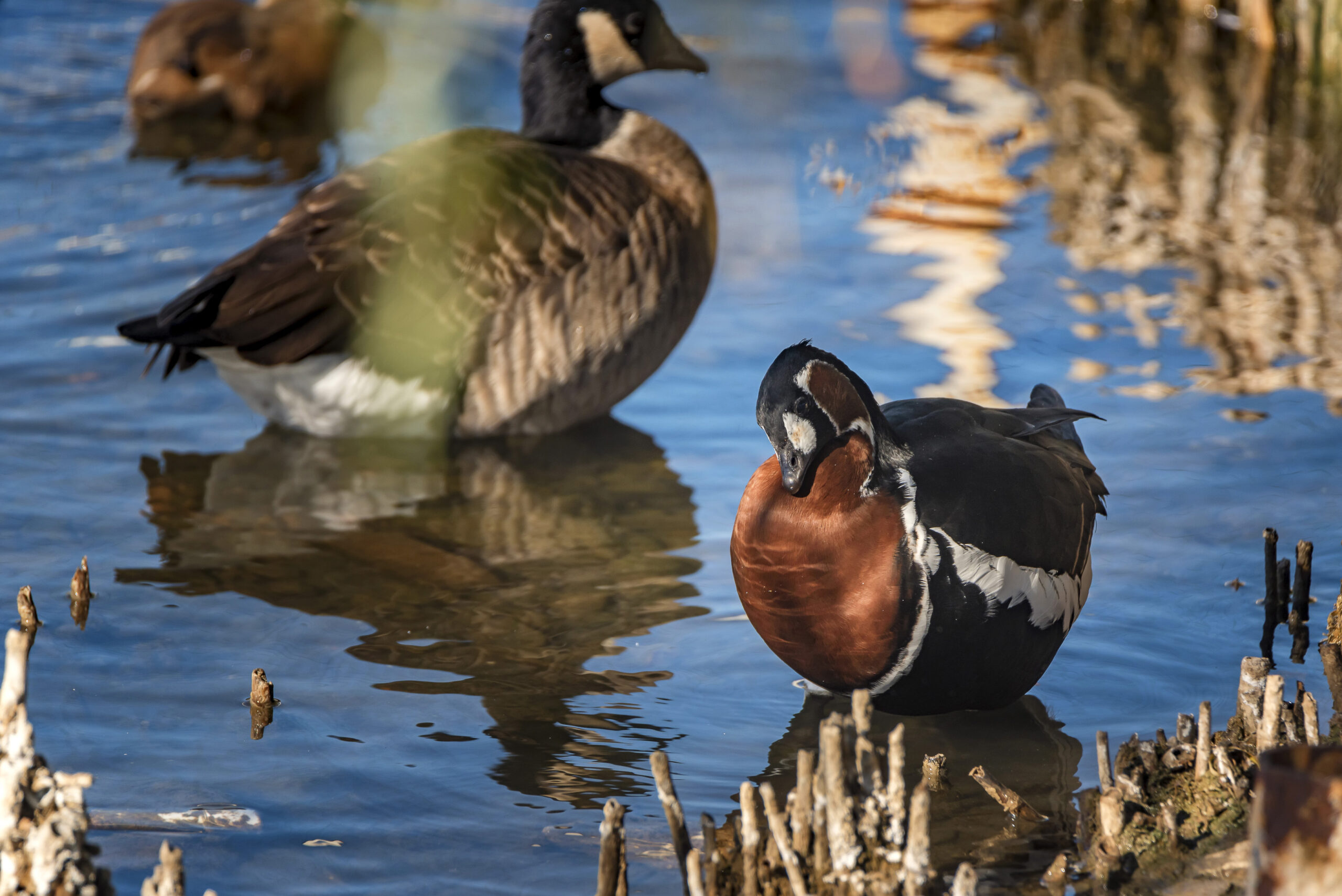
Eastern North Carolina has long been recognized as one of the most important regions for waterfowl hunting along the Atlantic Flyway, and few places capture that reputation as authentically as Mattamuskeet Goose Club. Located near the legendary Lake Mattamuskeet in Hyde County, the club sits at the heart of a migration corridor that has drawn birds and hunters for generations. More than just a place to hunt, Mattamuskeet Goose Club represents a deep connection to land, tradition, and the seasonal rhythms that define true waterfowl culture. For those seeking an experience rooted in authenticity rather than convenience, this destination stands apart. To learn more about the club and its setting, visit https://www.mattamuskeetgooseclub.com.
Lake Mattamuskeet is the foundation of everything that happens here. As the largest natural lake in North Carolina, its shallow waters, surrounding wetlands, and adjacent agricultural fields create ideal conditions for wintering and migrating waterfowl. Snow geese, tundra swans, and a wide variety of ducks rely on this habitat during their journey south. Each fall, the skies above Hyde County fill with movement as birds arrive in waves, responding to cold fronts and shifting weather patterns. Hunting in this environment means stepping into a system that has been shaped by nature long before modern management practices existed.
What makes Mattamuskeet Goose Club a premier destination is its location within this ecosystem and the knowledge that comes with it. Successful waterfowl hunting here depends on understanding migration timing, feeding behavior, wind direction, and water levels. The club’s approach reflects decades of observation and experience, allowing hunts to unfold naturally rather than being forced. This style appeals to hunters who value realism and challenge, where each day brings something different and success is earned through patience and preparation.
The club’s proximity to the Mattamuskeet National Wildlife Refuge further enhances its significance. Managed by the U.S. Fish and Wildlife Service, the refuge protects thousands of acres of critical wetland habitat that support waterfowl throughout the winter. This protected land plays a vital role in maintaining healthy bird populations while reinforcing the importance of conservation in the region. The relationship between responsible private hunting and public conservation efforts is a key reason why Lake Mattamuskeet remains productive year after year. Hunters interested in learning more about the refuge and its role can explore https://www.fws.gov/refuge/mattamuskeet.
Waterfowl hunting at Mattamuskeet Goose Club is shaped by respect for tradition and ethical practices. This is not a high-pressure environment driven solely by numbers. Instead, hunts are guided by conditions and an understanding of when to hunt and when to let birds rest. This approach aligns closely with responsible wildlife management principles and helps ensure the longevity of the resource. Staying informed on seasons, bag limits, and licensing is part of that responsibility, and the North Carolina Wildlife Resources Commission provides essential guidance at https://www.ncwildlife.org.
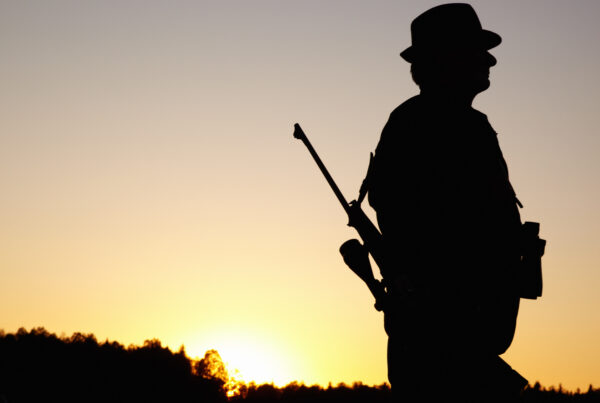
The atmosphere surrounding a hunt here is just as important as the action itself. Mornings often begin in darkness, with the sound of distant birds carrying across the marsh as hunters wait for the sky to change. As light spreads across the landscape, flights begin to move, and the day takes shape in a way that feels both unpredictable and familiar. These moments capture the essence of why waterfowl hunting holds such a strong place in outdoor tradition. It’s not just about the harvest, but about being present in a setting where nature still dictates the pace.
Hyde County adds another layer to the experience. The area’s rural character, open farmland, and wide horizons create a backdrop that feels increasingly rare. During peak migration, the sight of large flocks lifting off fields or settling onto the lake is a reminder of why this region is considered a cornerstone of the Atlantic Flyway. Conservation organizations like Ducks Unlimited continue to emphasize the importance of protecting these habitats that support migration across North America. Their work and educational resources can be found at https://www.ducks.org and provide valuable context for understanding the bigger picture behind each hunt.
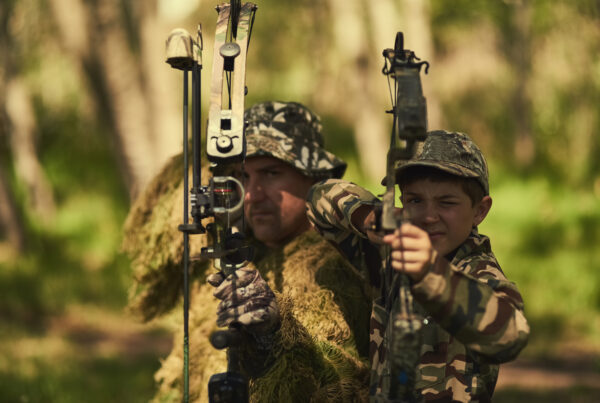
Mattamuskeet Goose Club is also defined by the people who return season after season. Many hunters come for the waterfowl but stay for the relationships built over time. Shared mornings, conversations in the blind, and traditions passed down between generations create a sense of belonging that goes beyond a single hunt. This community aspect is what transforms the club into a destination rather than just a location on a map.
Inside Mattamuskeet Goose Club, waterfowl hunting remains what it has always been meant to be. It is shaped by land, migration, and respect for the resource. In an era where access to quality hunting ground is shrinking and authenticity is harder to find, the club stands as a reminder of why eastern North Carolina holds such a special place in waterfowl history. For hunters looking to experience the Atlantic Flyway at its best and be part of a tradition that continues to endure, Mattamuskeet Goose Club remains a premier destination worth returning to.