Lake Mattamuskeet has long been recognized as one of the most important waterfowl habitats in North Carolina, and much of what makes it so special comes down to weather and wind. For generations, hunters and outdoor enthusiasts have understood that success on the lake is shaped less by chance and more by reading the natural conditions that guide bird movement. At Mattamuskeet Goose Club, knowledge of weather patterns and wind behavior is a cornerstone of waterfowl culture, helping preserve traditions while respecting the rhythms of the land. To learn more about the club and its connection to the lake, visit https://www.mattamuskeetgooseclub.com.
Weather influences nearly every aspect of waterfowl behavior on Lake Mattamuskeet. Migratory birds traveling the Atlantic Flyway rely on seasonal changes to guide when and where they move. Cold fronts, temperature shifts, and changing daylight hours signal when birds begin their journey south. As winter approaches, Lake Mattamuskeet becomes an essential stop and wintering area because of its shallow waters and surrounding wetlands that provide food and rest. These natural conditions are why the lake continues to draw large numbers of geese, ducks, and swans each year.
Wind plays an equally important role in shaping daily waterfowl movement. Birds depend on wind for lift, efficiency, and navigation, often choosing to fly, land, or feed based on wind direction and speed. On calm days, movement may be limited, with birds conserving energy and staying settled. When steady winds arrive, especially following weather changes, waterfowl often become more active. Experienced hunters at Mattamuskeet Goose Club understand that observing wind direction helps predict flight paths and feeding patterns, making preparation as important as time spent in the field.
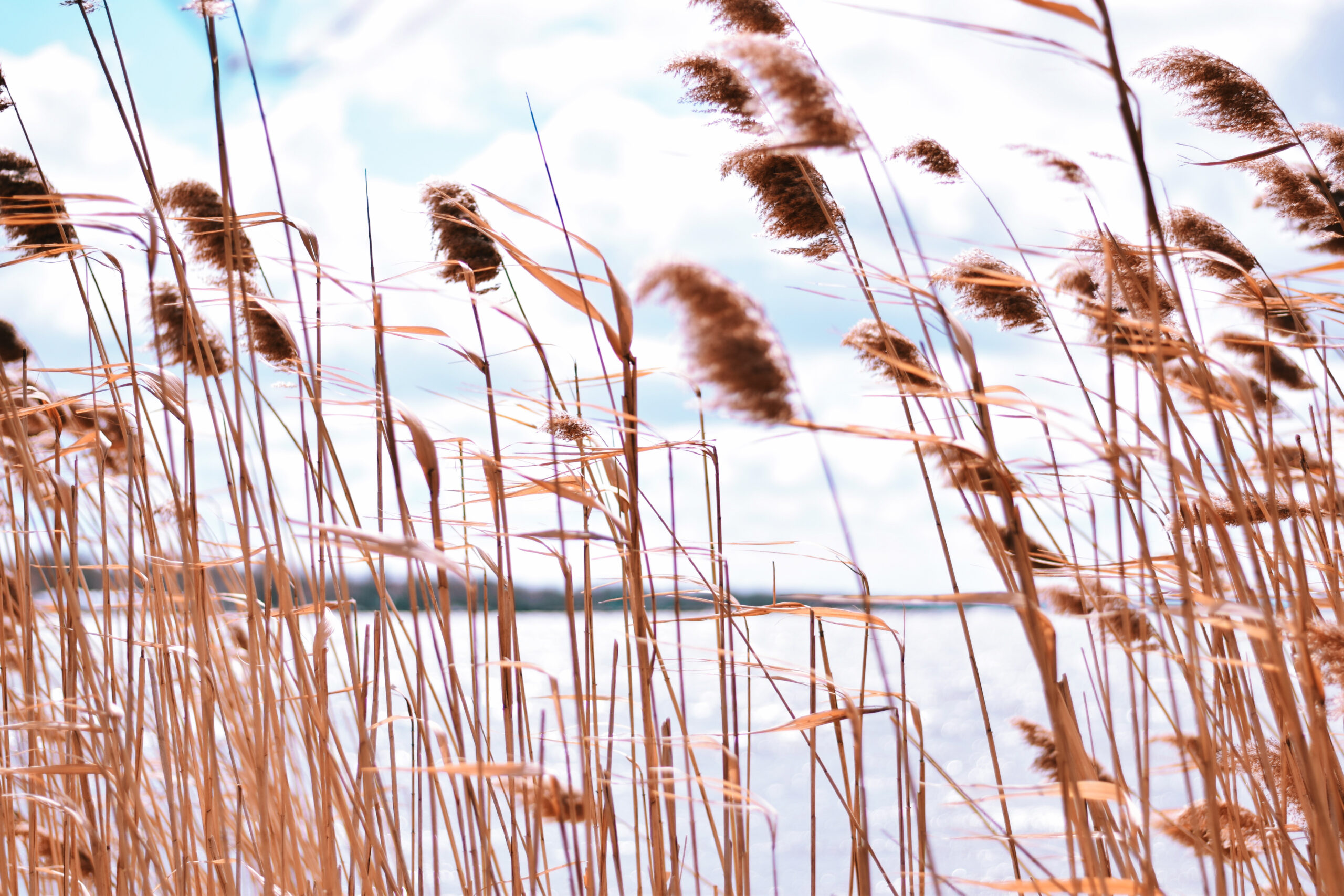
Lake Mattamuskeet’s open landscape amplifies the influence of wind. Unlike wooded areas or smaller bodies of water, the lake and surrounding marshes allow wind to travel freely across the surface. This openness affects how birds approach the water and where they choose to land. Wind direction can determine whether birds fly low across the marsh or circle higher before settling. These patterns are part of what makes waterfowl hunting on the lake both challenging and rewarding, requiring patience and careful observation rather than rushed decisions.
Weather systems also influence how long birds remain on the lake. Mild winters may encourage waterfowl to stay longer, while extended cold periods can push birds to seek different feeding areas or move farther south. Rainfall affects water levels, which in turn impacts available habitat and food sources. These shifting conditions mean that no two seasons are exactly alike. This variability is part of what keeps waterfowl culture around Lake Mattamuskeet dynamic and deeply tied to the natural world.
At Mattamuskeet Goose Club, understanding these elements is seen as a form of respect for the birds and the land. Rather than attempting to control conditions, the focus is on adapting to them. This mindset reflects a broader tradition of ethical hunting that values knowledge, restraint, and stewardship. Visitors quickly learn that success is measured not only by what happens during a hunt but by how well one understands the environment. More insight into the club’s philosophy and traditions can be found at https://www.mattamuskeetgooseclub.com/club-life-membership.
The connection between weather, wind, and waterfowl movement is also closely tied to conservation. Lake Mattamuskeet is part of a larger ecosystem that includes the Mattamuskeet National Wildlife Refuge, which protects critical habitat for migratory birds. Preserving wetlands and maintaining healthy water levels help ensure that birds continue to return year after year. Weather patterns influence how these habitats function, reinforcing the importance of responsible land management and conservation efforts. You can learn more about the refuge and its role in waterfowl protection at https://www.fws.gov/refuge/mattamuskeet.
Understanding weather and wind also deepens appreciation for the skill passed down through generations of waterfowl hunters. Before modern forecasting tools, hunters relied on observation and experience to read the sky, the water, and the birds themselves. While technology has changed, the core principles remain the same. Watching cloud movement, feeling wind shifts, and noting temperature changes continue to guide decisions on Lake Mattamuskeet. This blend of tradition and awareness helps preserve waterfowl culture as a living practice rather than a static idea.
Organizations like Ducks Unlimited emphasize the importance of habitat preservation and understanding environmental factors that affect waterfowl populations. Weather patterns are a critical part of these discussions, influencing migration routes and breeding success. By supporting conservation and responsible hunting practices, clubs like Mattamuskeet Goose Club play an important role in sustaining these populations. Additional information on waterfowl conservation can be found at https://www.ducks.org.
Ultimately, weather and wind shape more than bird movement on Lake Mattamuskeet. They shape the experience itself. From quiet days when birds remain settled to active periods following a front, each condition offers lessons in patience and respect. At Mattamuskeet Goose Club, honoring waterfowl culture means embracing these variables and understanding that the lake operates on its own terms. By learning to read the sky and the water, visitors gain a deeper connection to the land and the traditions that define this remarkable place.
To learn more about the history, culture, and experience of Mattamuskeet Goose Club, visit https://www.mattamuskeetgooseclub.com and explore how nature continues to guide waterfowl life on Lake Mattamuskeet.