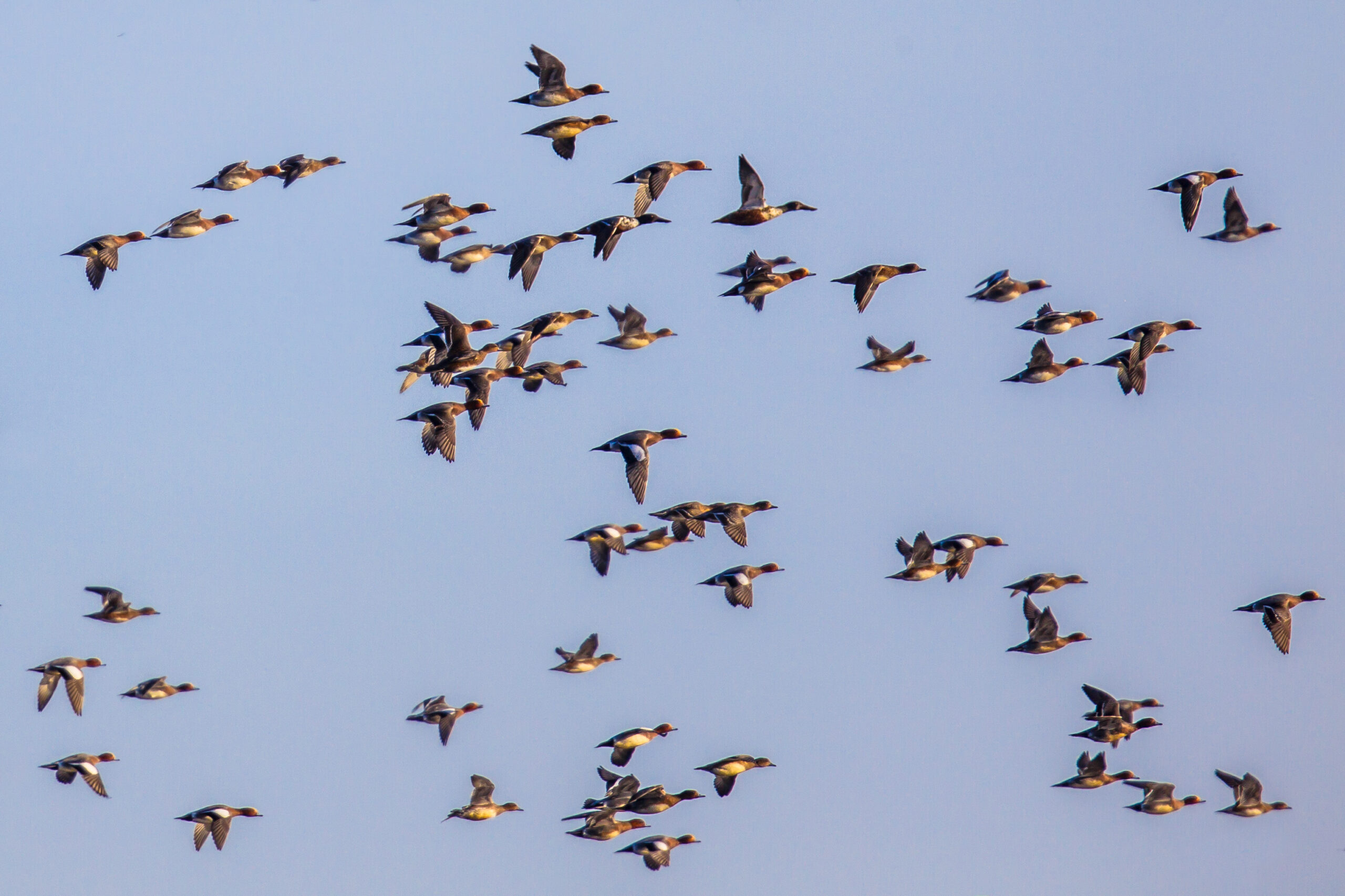
There is a specific magic that happens in Hyde County when the temperature drops. It starts as a distant hum—a vibration in the air—and grows into a roar of wings and calls that every waterfowler recognizes in their bones. This is the Atlantic Flyway in full motion.
For hunters and nature enthusiasts alike, Lake Mattamuskeet and its surrounding farmlands represent the holy grail of wintering waterfowl. But if you are planning a trip, timing is everything. To help you plan your next adventure, we have compiled the most frequently asked questions about the migration to help you understand exactly when and why the skies come alive in Eastern North Carolina.
When is the absolute peak of waterfowl migration in Eastern NC?
While early migrants like Blue-winged Teal and Wood Ducks may arrive in early autumn, the true spectacle occurs later in the season. The peak migration for Eastern North Carolina generally occurs from early December through late January.
This timing is dictated by the weather patterns to our north. As ice locks up the waterways in Canada and the northern United States, millions of birds are forced southward in search of open water and food. Hyde County, with its vast agricultural fields and the massive shallow basin of Lake Mattamuskeet, serves as the perfect wintering ground. If you are looking to witness the highest density of waterfowl, mid-January is often statistically the busiest time on the refuge.
What species can I expect to see during the migration?
Eastern North Carolina is famous for its diversity. However, two species dominate the conversation when discussing Lake Mattamuskeet: Tundra Swans and Northern Pintails.
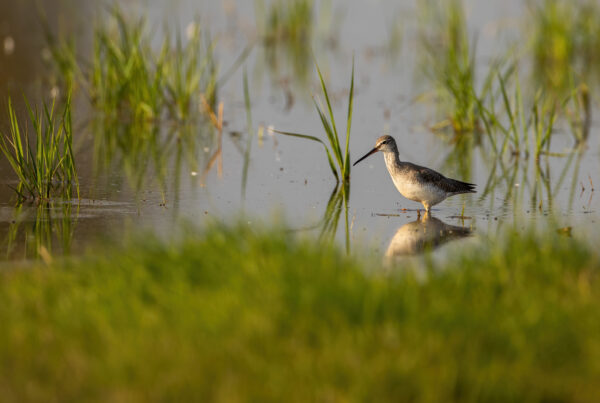
The area hosts one of the largest wintering populations of Tundra Swans in the world. Seeing thousands of these massive white birds lifting off the water at sunrise is a spiritual experience. Alongside the swans, you will find:
- Puddle Ducks: Northern Pintails, American Wigeon, Green-winged Teal, Gadwall, and Mallards.
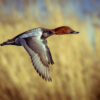
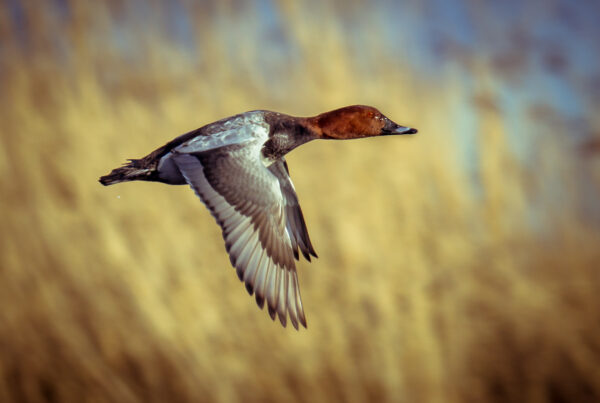
- Diving Ducks: Depending on the salinity and location (closer to the Sound), you may encounter Redheads, Bluebills, and Canvasbacks.
- Geese: Massive flocks of Snow Geese often paint the fields white, alongside resident and migratory Canada Geese.
Why is Lake Mattamuskeet such a magnet for waterfowl?
It comes down to three factors: water depth, food, and safety. Lake Mattamuskeet is North Carolina’s largest natural lake, yet it is incredibly shallow—averaging only a few feet deep. This creates the perfect environment for submerged aquatic vegetation, which is a primary food source for waterfowl.
Furthermore, the lake is surrounded by rich agricultural land producing corn and soybeans. The Mattamuskeet Goose Club manages impoundments that capitalize on this geography. By controlling water levels and managing vegetation, we create “bed and breakfast” scenarios for the birds—safe roosting water near abundant food sources.
How does weather affect the hunting during peak migration?
Weather is the ignition switch for movement. In Eastern NC, we live by the saying: “New wind, new birds.”
When a strong cold front pushes through with a stiff north wind, it encourages birds to migrate south into our area. Conversely, during the season, we look for “hunting weather”—overcast skies, wind, and cold temperatures. These conditions keep the birds restless and moving throughout the morning, rather than sitting stagnant on the refuge.
It is important to track the weather not just in North Carolina, but in states north of us like Pennsylvania and New York. When they freeze, our skies fill up. For real-time updates on bird movement across the continent, organizations like Ducks Unlimited provide migration maps that help hunters track the “Grand Passage.”
What is the difference between hunting the Sound vs. Impoundments?
This is a common question for newcomers to the area.
- Sound Hunting: Typically involves hunting the Pamlico Sound for diving ducks. It is big water hunting that requires specialized boats and plays heavily on wind tides.
- Impoundment Hunting: This is what we specialize in. These are man-made, flooded agricultural fields or marshlands. We manage the water levels to allow hunters to stand in blinds or cover, targeting puddle ducks and geese that are coming in to feed or rest.
How do I book a hunt during the peak season?
Because the window for peak migration is relatively short (December and January), dates fill up quickly. It is best to plan your trip several months in advance.
At Mattamuskeet Goose Club, we offer access to premier impoundments that have been meticulously managed to attract waterfowl. Whether you are looking for a membership to secure your spot for the season or interested in our semi-guided hunts, getting on the calendar early ensures you don’t miss the push.
The migration is a cycle as old as the land itself. Watching the sunrise over a Hyde County impoundment while the air fills with the whistle of wings is something every hunter should experience. We look forward to seeing you in the blind when the skies come alive.