Waterfowl hunting is a sport of contradictions. It requires long periods of absolute stillness followed by seconds of intense, adrenaline-fueled action. It demands relaxation, yet requires hyper-awareness. For those who hunt the fields and impoundments of Hyde County, success isn’t just about having the right gear—it is about cultivating the right mindset.
At the Mattamuskeet Goose Club, we see hundreds of hunters every season. The ones who consistently fill their straps are those who have mastered the mental game. To help you prepare for your next trip to the blind, we’ve broken down the three pillars of the hunter’s mindset: Patience, Precision, and Instinct.
Why is patience the most difficult skill to master?
In our modern world, we are accustomed to instant gratification. But nature operates on its own clock. Patience in the duck blind isn’t just about waiting; it is about “active waiting.”
It means sitting in freezing rain without moving a muscle because you know a flock is working the edge of the field. It means resisting the urge to check your phone because the glint of a screen can flare birds from half a mile away. The most successful hunters embrace the silence. They understand that the lull in the action is part of the experience, giving them time to scan the horizon and appreciate the raw beauty of the sunrise over Lake Mattamuskeet. If you can’t find joy in the waiting, the shooting will never feel like enough of a reward.
How does precision affect the success of a hunt?
Waterfowl are incredibly perceptive creatures. After migrating hundreds of miles and seeing countless decoy spreads, they learn to spot anything that looks unnatural. Precision is the difference between birds that flare at 80 yards and birds that commit to the landing zone.
Precision comes down to the details:
- Decoy Placement: It’s not just about throwing plastic in the water. It’s about leaving “landing holes” for the birds and understanding how they want to approach into the wind.
- Concealment: A shiny face or an exposed gun barrel stands out like a beacon. Precision means brushing in your blind until it disappears into the landscape.
- Calling: It is better to remain silent than to call poorly. Precision calling means reading the birds’ reaction and adjusting your cadence—knowing when to plead and when to simply chuckle.
For tips on refining your setup, resources like Wildfowl Magazine offer excellent strategies on reading the wind and arranging your spread for maximum realism.
When does instinct take over?
There is a specific moment in every successful volley that defies logic. It is the split second when the “Shot Caller” decides the birds are in range. This is instinct.
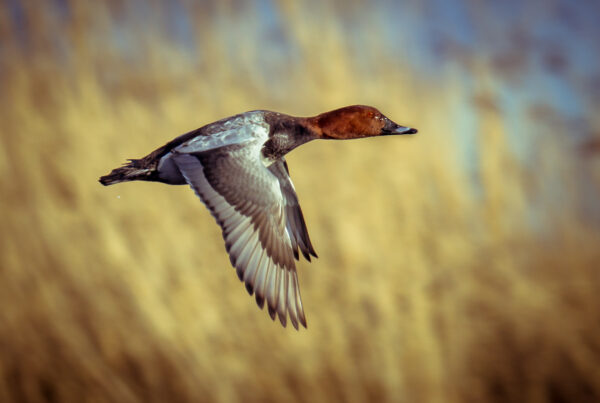
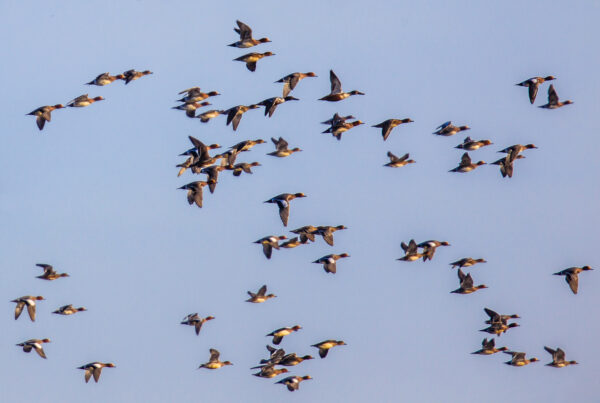
You cannot learn this from a book; it comes from experience in the field. It is the ability to read the body language of a Tundra Swan or a Northern Pintail—watching for that moment when their wings cup, their feet drop, and they commit to the water. A hunter with good instincts knows the difference between a bird that is “looking” and a bird that is “finishing.”
Developing this instinct is a key part of our semi-guided hunts. By spending time in the blind with seasoned hunters and guides, you begin to internalize these cues, turning a conscious decision into a reflex.
How does safety fit into the hunter’s mindset?
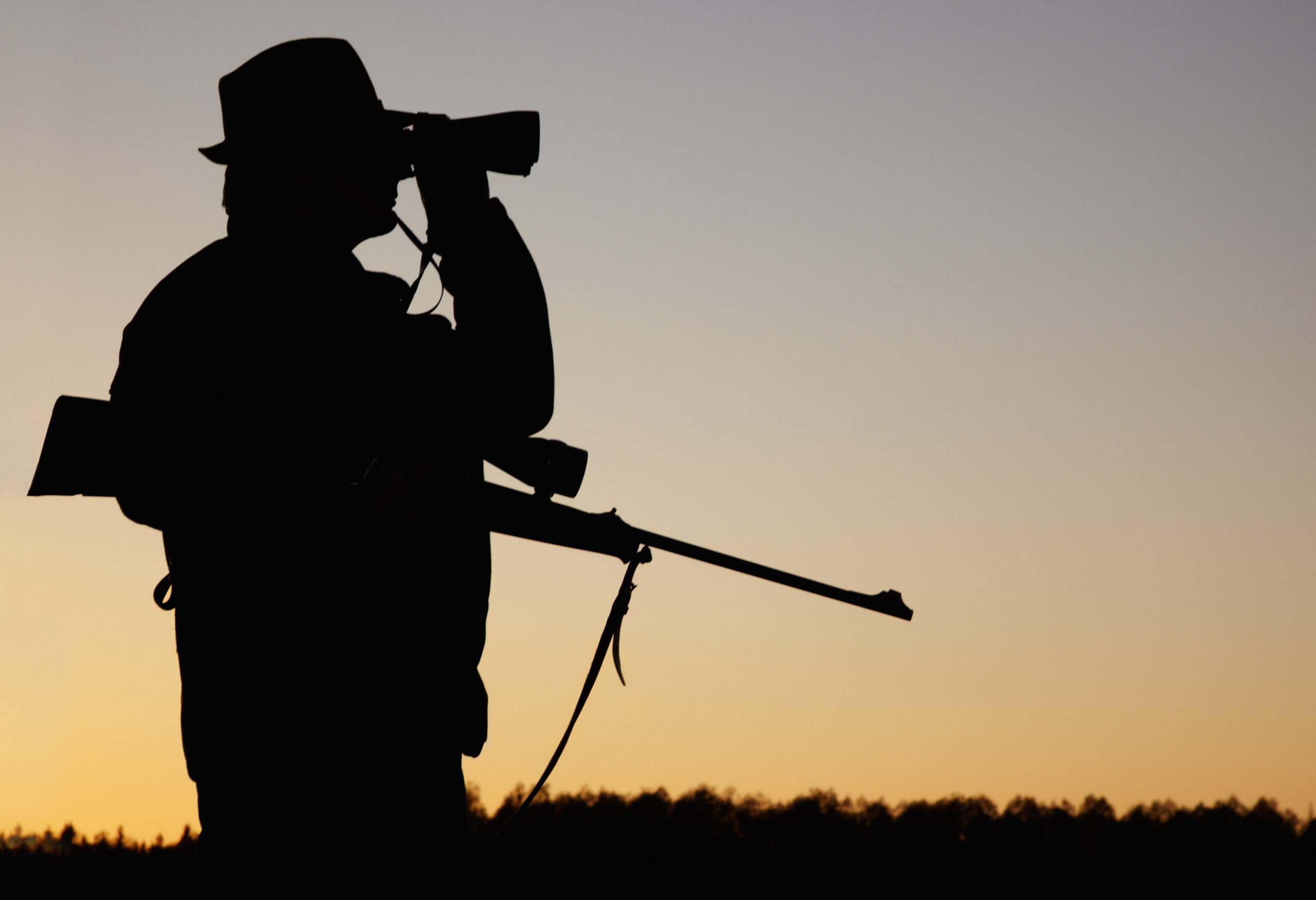
Safety is the foundation upon which patience, precision, and instinct are built. A distracted hunter is a dangerous hunter. The “hunter’s mindset” includes a constant, subconscious awareness of muzzle discipline and zones of fire.
We believe that safety is a form of respect—respect for your fellow hunters and respect for the weapon. Before the first bird flies, everyone in the blind must be on the same page regarding safe shooting lanes. The N.C. Wildlife Resources Commission emphasizes that mental discipline is the primary factor in preventing accidents. When your mind is focused and disciplined, safety becomes second nature, allowing you to focus on the hunt without putting anyone at risk.
What is the ultimate reward of this mindset?
When you combine patience, precision, and instinct, you achieve a state of “flow” in the blind. The cold stops bothering you. The mud becomes part of the charm.
The reward isn’t just the weight of the game strap on your shoulder at the end of the morning; it is the satisfaction of having outsmarted a wild creature in its own element. It is the feeling of competence and connection to the tradition. Whether you are a lifelong member or a first-time guest, bringing the right mindset to Mattamuskeet Goose Club ensures that you take home memories that last far longer than the season.