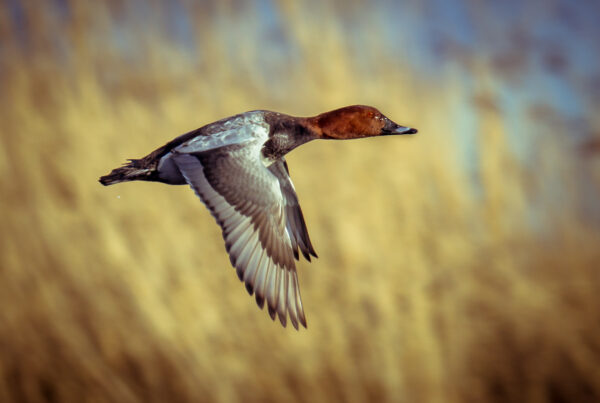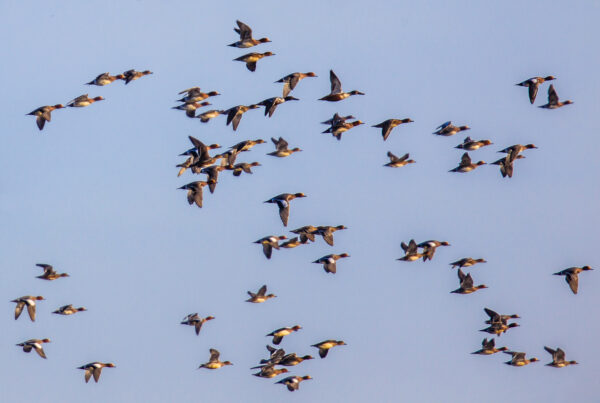
When you look out over a flooded impoundment at sunrise, watching a flock of Pintails lock their wings and glide toward the water, you aren’t just witnessing nature; you are witnessing the results of hard work.
At the Mattamuskeet Goose Club, we believe that a successful hunt is the byproduct of successful land management. To us, hunting and conservation are not opposing forces—they are two sides of the same coin. We are often asked how we maintain the land and why Hyde County remains such a critical stronghold for waterfowl. Here are the answers to the most common questions about how we protect the flyway for future generations.
Why is habitat management so critical in Hyde County?
Hyde County is located at a strategic bottleneck in the Atlantic Flyway. As birds migrate south from Canada and the northern United States, they require massive amounts of energy to survive the winter and prepare for the return journey in the spring.
The natural landscape has changed over the last century. With the loss of some natural wetlands, managed lands—like those at our club—have become essential “fueling stations.” By actively managing our property, we ensure that waterfowl have access to high-calorie food sources and safe resting areas. Without this intervention, the birds would arrive to find barren fields, leading to higher mortality rates and poor breeding seasons when they return north.
What is “Moist-Soil Management” and why do you use it?
While many people associate waterfowl hunting with flooded corn, a balanced diet for ducks requires more than just carbohydrates. This is where moist-soil management comes in.
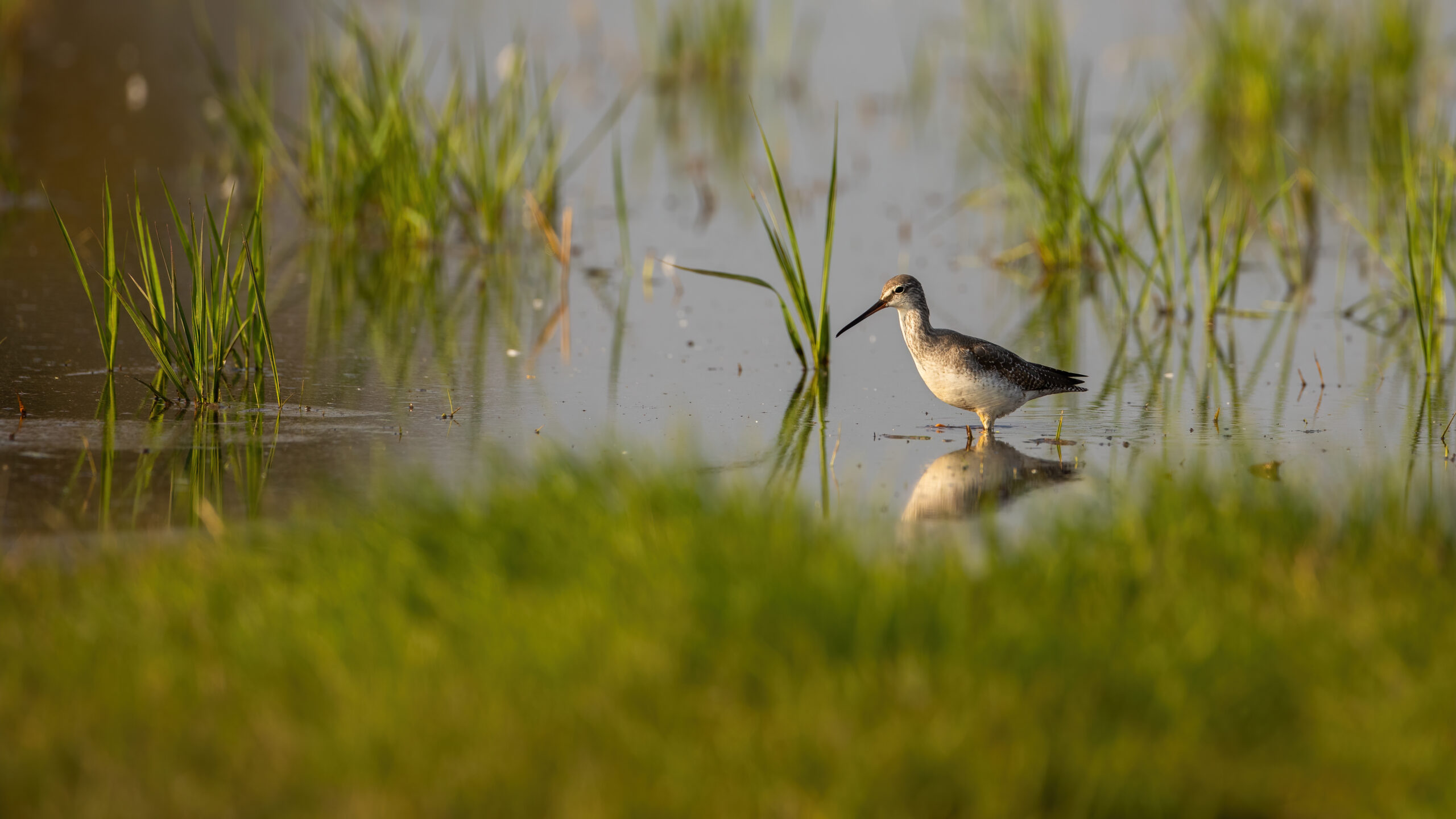
This technique involves manipulating water levels to encourage the growth of native, seed-producing plants like smartweed, wild millet, and sedges. According to conservation leaders like Ducks Unlimited, these native plants provide essential seeds and tubers. Perhaps more importantly, the decaying vegetation in these ponds supports a vast population of aquatic invertebrates (bugs and shrimp). These invertebrates provide the critical protein hens need for egg production. By utilizing moist-soil management alongside agricultural crops, we provide a complete nutritional buffet for the birds.
How do hunters directly contribute to conservation?
There is a misconception that hunting depletes populations. In reality, the North American Model of Wildlife Conservation relies heavily on hunters. Through the purchase of licenses, Federal Duck Stamps, and excise taxes on firearms and ammunition (the Pittman-Robertson Act), hunters fund the vast majority of wetland preservation and wildlife management in the United States.
On a local level, when you book semi-guided hunts with us, you are supporting the private management of wetland habitats. This private land stewardship creates a buffer zone around the federally protected Lake Mattamuskeet National Wildlife Refuge, effectively expanding the total acreage of available habitat for wintering birds.
What is the connection between Winter Habitat and Spring Breeding?
Most hunters think about the “now”—the birds currently in the sky. However, true conservationists think about the “later.”
The condition of a duck in January directly affects its ability to reproduce in May. If a duck struggles to find food during its time in North Carolina, it will return to the breeding grounds in the Prairie Pothole Region or the Tundra in a weakened state. A weak bird produces fewer eggs and has a lower survival rate for its ducklings. By providing nutrient-dense food and low-pressure resting areas here in Hyde County, we are essentially investing in the population of next year’s migration.
How does the Club balance hunting pressure with bird rest?
Sustainability is about restraint. If you hunt a piece of property from sunrise to sunset, seven days a week, the birds will leave. They need safety just as much as they need food.
We implement strict rest periods and rotation schedules for our blinds and impoundments. This ensures that the birds are not constantly harassed. By giving the waterfowl “sanctuary” time where they can feed and rest undisturbed, we keep the birds on the property longer. This results in better hunting when we do go out, but more importantly, it reduces the stress on the animals, keeping them healthy and wild.
Conservation isn’t a passive activity; it is a labor of love that requires muddy boots and year-round dedication. We are proud to be stewards of this land, ensuring that the skies over Mattamuskeet remain full for our children and grandchildren.